* FREE SHIPPING OVER $100 *

Easy Houseplants for Beginners That Thrive Indoors
Discover the best easy houseplants for beginners with simple care tips, watering advice, and confidence-building guidance to help your indoor plants thrive.
PLANT COMMUNICATION & WATERING WISDOM
6 min read
Easy Houseplants for Beginners That Thrive Indoors
Bringing home your very first plant is exciting. It also comes with plenty of questions. How often should you water it? Does every plant need bright sunlight? What happens if you accidentally forget about it for a week? The good news is that many beautiful houseplants are surprisingly forgiving. They don't expect perfection. They simply need a little attention and a comfortable place to grow. If you're looking for easy houseplants for beginners, you're already starting in the right place.
Whether you want to brighten a sunny windowsill or add a touch of greenery to your office, beginner-friendly plants can help you build confidence without adding stress. As you learn their small routines, you'll discover that caring for plants becomes a relaxing ritual rather than another chore.
Why Easy Houseplants Make the Best First Plants
Confidence Comes from Early Success
Choosing forgiving plants gives you room to learn without worrying about every small mistake. Beginner plants usually tolerate missed waterings, changing temperatures, and average indoor conditions much better than delicate tropical species. Seeing fresh leaves appear after only a few weeks feels incredibly rewarding. Those early successes often inspire people to keep growing their indoor gardens.
Learning Plant Care Without Feeling Overwhelmed
Every plant teaches something different. One helps you understand watering. Another shows how light affects growth. Instead of memorizing complicated care schedules, you'll naturally begin noticing how your plants communicate. Yellow leaves, firm stems, and healthy new growth all tell a story. If you're fascinated by the ways plants quietly interact with their environment, you'll love Discover the Hidden Lives of Houseplants, where we explore the surprising ways our leafy friends communicate.
The Best Easy Houseplants for Beginners
Snake Plant
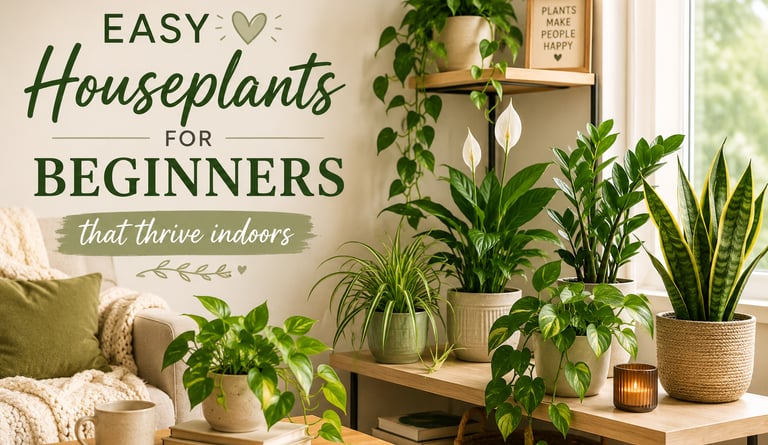
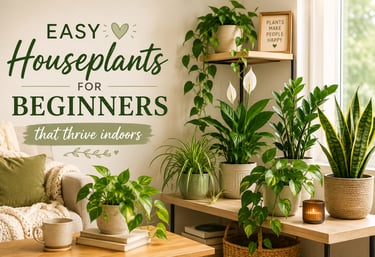
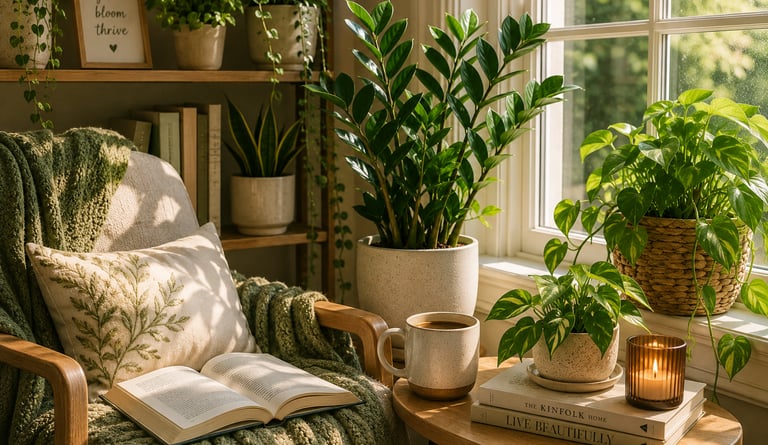
Snake plants are famous for their resilience. Their upright leaves store water, making them incredibly drought tolerant. They grow well in low light, medium light, or bright indirect light. They also appreciate drying completely between waterings, making them ideal for busy plant parents.
Pothos
Pothos is often recommended as the perfect beginner plant because it grows quickly and clearly shows when it needs attention. Its trailing vines brighten shelves, bookcases, and hanging baskets. Bright indirect light encourages faster growth, but pothos also tolerates lower light surprisingly well. If you enjoy decorating with trailing greenery, our upcoming guide, The Best Hanging Houseplants for Every Room, is full of beautiful ideas for displaying cascading plants throughout your home.
ZZ Plant
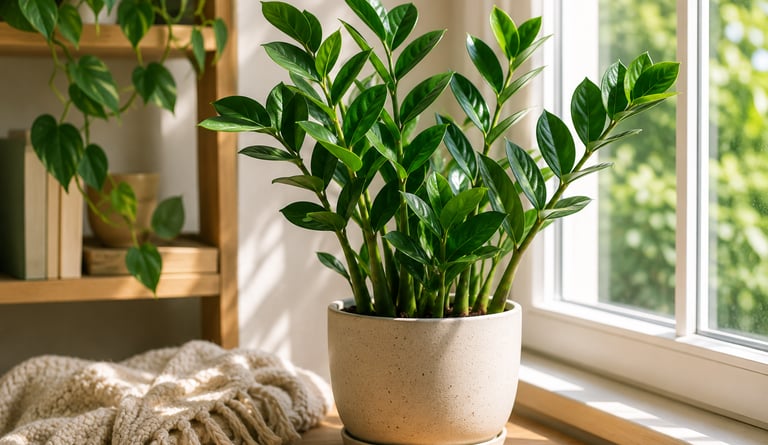
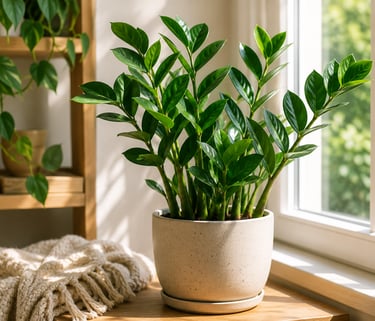
The ZZ plant almost seems designed for beginners. Thick underground rhizomes store water for long periods, allowing it to bounce back from occasional neglect. Glossy green leaves stay attractive throughout the year, even in offices or darker rooms.
Spider Plant
Spider plants have cheerful arching leaves and eventually produce tiny baby plants called pups. They're fun to propagate and forgiving if you occasionally forget to water them. They enjoy bright indirect light but adapt well to average indoor conditions.
Heartleaf Philodendron
This classic favorite grows elegant trailing vines and requires very little maintenance. Water when the top portion of the soil feels dry, and provide medium to bright indirect light for the happiest growth. Its heart-shaped leaves make it one of the coziest plants for shelves and reading corners. If you're dreaming of creating a relaxing plant-filled corner, you'll find plenty of inspiration in Create a Cozy Plant Nook: 5 Simple Ideas for Relaxing Spaces.
Peace Lily
Peace lilies communicate clearly by drooping when they're thirsty. While dramatic at first, they usually perk back up after watering. Their graceful white blooms and rich green foliage make them wonderful beginner plants that also teach you to recognize natural plant signals.
Simple Care Tips That Help Every Beginner Succeed
Water Less Than You Think
Overwatering remains the most common mistake among new plant owners. Instead of watering every Saturday because a calendar says so, check the soil first. Stick your finger about two inches into the soil. If it still feels damp, wait another day or two. Most beginner plants prefer slightly dry soil over constantly wet roots. If you're ever unsure, How to Water Houseplants: Signs of Thirsty Plants explains exactly what to look for before reaching for the watering can.
Find the Right Light
Light matters just as much as watering. Most beginner plants thrive in bright indirect light rather than harsh afternoon sun. A spot near an east-facing window or several feet from a bright south-facing window often provides excellent growing conditions. Every home is different, so don't hesitate to move your plant if it seems unhappy. Our guide, Light & Love: Finding Ideal Light for Houseplants, will help you confidently match each plant with the perfect location in your home.
Watch Your Plant Instead of the Calendar
Plants don't own calendars. They respond to seasons, temperature, humidity, and available light. During winter they usually grow more slowly and need less water. Summer often brings faster growth and more frequent watering. Watching your plant's leaves, soil, and overall appearance tells you much more than any fixed schedule ever could. When the seasons change, you'll also appreciate our Essential Cozy Winter Plant Care Tips for Houseplants to help your plants stay healthy through the colder months.
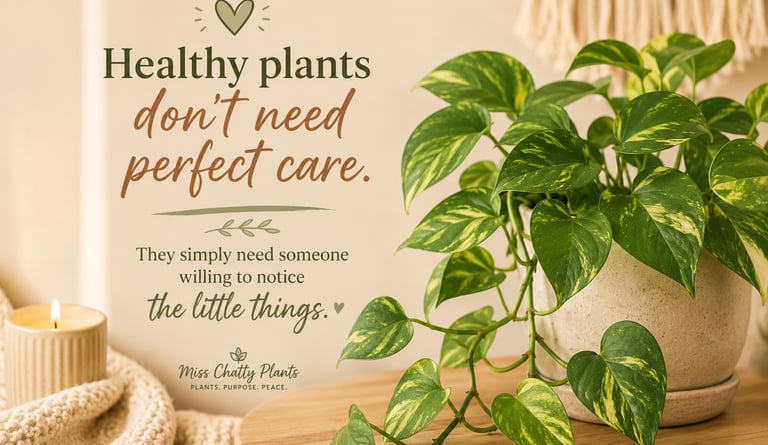
"Healthy plants don't need perfect care. They simply need someone willing to notice the little things."
Common Beginner Mistakes (And How to Avoid Them)
Loving Plants a Little Too Much
It's natural to want your new plant to thrive, but too much attention can sometimes create problems. Constant watering, frequent repotting, or moving plants every few days often causes unnecessary stress. Most plants appreciate consistency far more than constant intervention. If you've ever wondered whether you're giving your plants too much love, our upcoming guide, Common Houseplant Mistakes Beginners Make, offers plenty of reassurance and practical tips.
Choosing the Wrong Spot
Even easy plants have preferences. A snake plant tucked into a dark hallway may survive, but it won't grow as vigorously as one receiving brighter light. Spend a few minutes observing how sunlight moves through your home before choosing a permanent location.
Expecting Constant Growth
Plants naturally experience periods of active growth and periods of rest. A quiet winter doesn't mean your plant is failing. It simply means it's conserving energy until brighter days return. Patience becomes one of the most valuable gardening skills you can develop.
Growing Your Plant Confidence
Start Small
There's no need to fill every room with greenery immediately. Begin with one or two forgiving plants and learn their routines. As your confidence grows, adding new varieties becomes much easier and much more enjoyable.
Celebrate Every New Leaf
Every fresh leaf represents healthy roots, proper care, and growing experience. Those small moments quickly become some of the most satisfying parts of keeping houseplants. Before long, you'll notice yourself checking each morning for tiny signs of new growth with your coffee in hand. In fact, that's exactly what Tiny Wins for Plant Parents to Celebrate is all about—finding joy in those little milestones that make plant care so rewarding.
Final Thoughts
Starting your plant journey doesn't require a greenhouse or years of experience. It simply begins with choosing forgiving plants and paying attention to the little signals they share. Every experienced plant lover once wondered when to water, where to place a pot, or why a leaf turned yellow. Those moments become valuable lessons rather than failures. If you ever notice something seems off, our upcoming guide, Why Are My Houseplant Leaves Turning Yellow?, will help you troubleshoot one of the most common plant concerns.
As your collection grows, so will your confidence. Soon you'll recognize thirsty leaves, healthy roots, and fresh growth almost instinctively. Until then, enjoy the process, celebrate every new leaf, and remember that your plants are growing alongside you.
Continue Your Plant Journey
Every thriving indoor garden starts with a single plant and a little curiosity. Keep learning, observe your plants closely, and enjoy the quiet moments they bring into your home. As your confidence grows, explore more beginner-friendly care guides and discover new varieties that make your space feel even cozier. Whether you're learning to read your plant's signals, finding the perfect lighting, or creating your own relaxing plant nook, every new skill helps your indoor garden flourish. Your plants don't expect perfection—they simply appreciate your attention.